
Why Psychological Safety Drives Performance
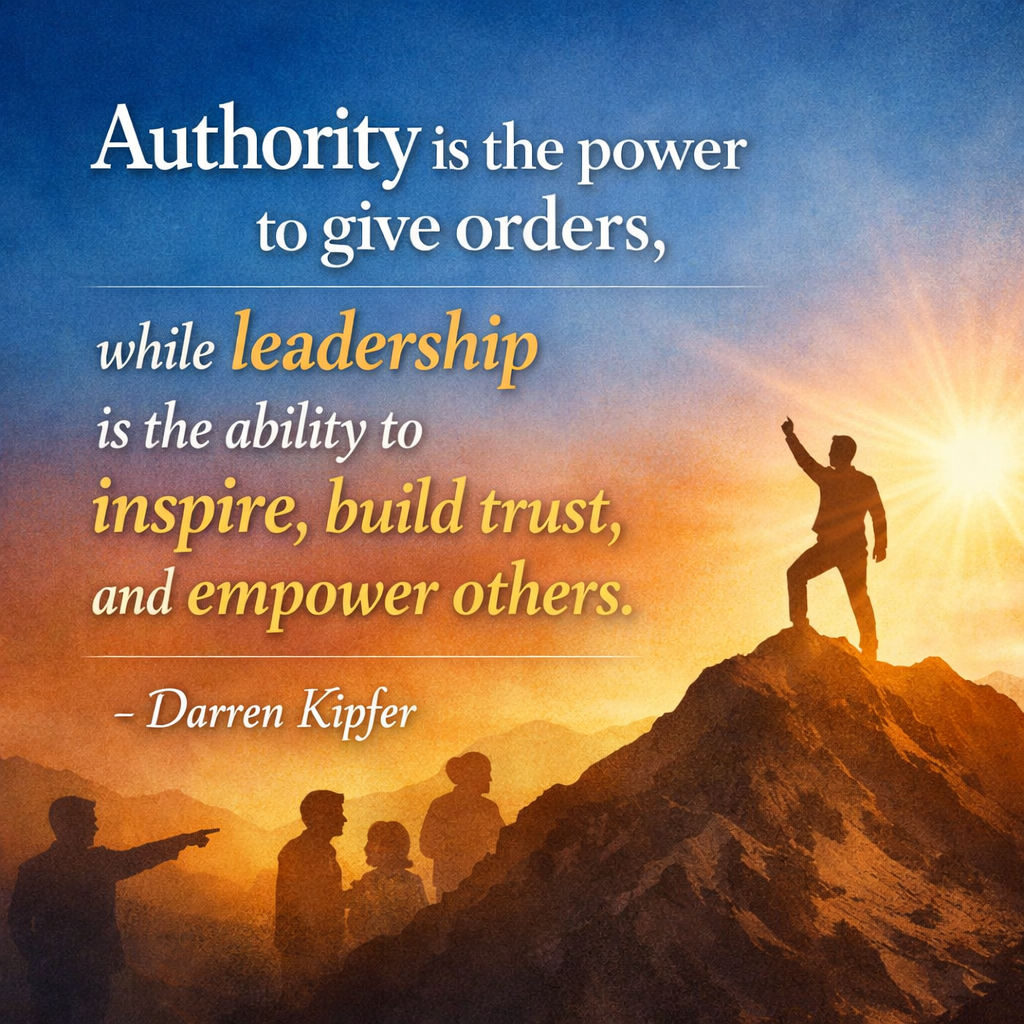
Authority gives someone the power to issue orders. Leadership earns commitment.
They are not the same—and confusing the two is one of the fastest ways to limit performance. Teams can comply with authority, but they only fully engage under leadership. The difference shows up in trust, initiative, and results.
Without empathy and psychological safety, performance suffers. People hesitate. Problems stay hidden longer. Ideas are filtered. Risk-taking disappears. What looks like control on the surface often masks disengagement underneath.
True leadership creates an environment where people feel safe to speak honestly, ask questions, challenge ideas, and admit mistakes early. This isn’t about comfort—it’s about clarity. When trust exists, issues surface sooner, conversations are more direct, and teams move faster with fewer surprises.
Psychological safety allows individuals to think independently while still collaborating effectively. It creates space for disagreement without defensiveness, accountability without fear, and momentum without micromanagement. Leaders don’t need to hover when expectations are clear and people feel respected enough to take ownership.
This is especially critical in sales. When sales is framed strictly as execution—hit the number, follow the script, don’t deviate—learning shuts down. Reps play it safe. Growth slows. Confidence erodes.
When sales is treated as a learning process, results improve. Reps build real skill. Confidence increases. Coaching conversations become productive instead of performative. Mistakes turn into feedback instead of blame. Over time, this produces better outcomes and a healthier culture.
Psychological safety is often misunderstood as being “nice.” It isn’t. It’s a strategic advantage. High-performing teams don’t avoid hard conversations—they have them more often, and earlier. They hold each other accountable because the environment supports honesty, not punishment.
The goal is high performance. Psychological safety fuels improvement by engaging the full intelligence of the team. When people feel safe, they contribute more, think more critically, and take responsibility for outcomes. Leadership doesn’t replace accountability—it strengthens it.
Authority can get short-term compliance. Leadership builds long-term results. When trust is present, performance follows—and leaders amplify the impact instead of carrying the weight alone.