
After Decades in Sales and Leadership, I Finally Understand This About Myself
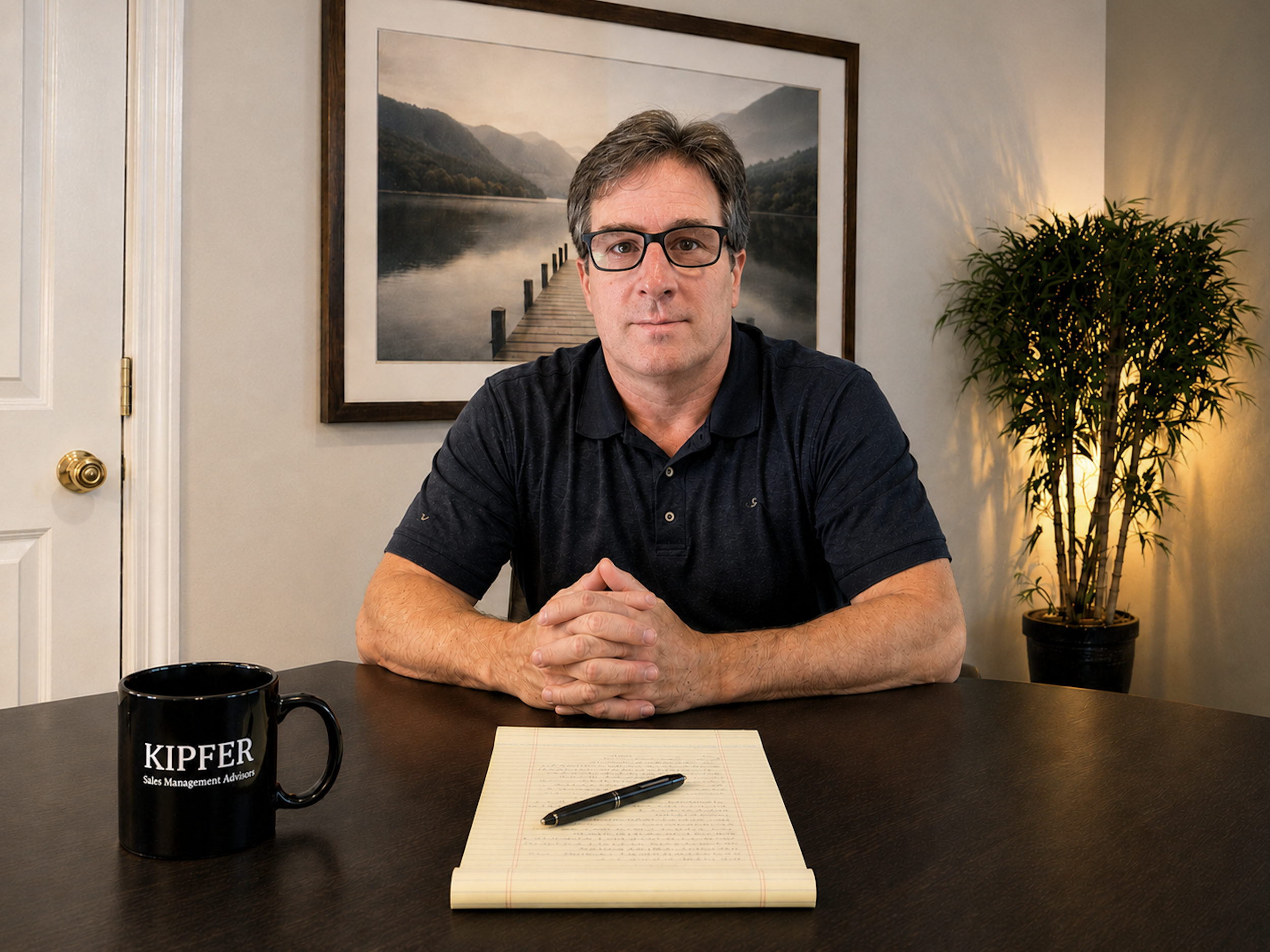
The older I get, the more I realize my success was never driven by traditional sales motivation.
Over the years, I’ve been fortunate to succeed in high-pressure environments. I’ve led teams, built programs, grown revenue, trained people, and consistently performed at a high level.
But if I’m being honest, I was never motivated by winning for the sake of winning.
What consistently mattered to me was something else entirely:
Whether the work felt genuine.
Whether it had purpose.
Whether people were treated properly.
Whether the environment was psychologically healthy.
Whether the work felt human.
That realization explains a lot.
It explains why I could simultaneously have strong sales instincts while disliking many sales environments. Why I’m naturally persuasive but deeply uncomfortable with manipulative tactics. Why I’ve always wanted influence, but had very little interest in corporate performance theater.
At some point, I realized I’m fundamentally anti-empty-work.
That’s probably also why coaching, advising, mentoring, training, and developmental leadership keep reappearing in my life no matter how many times I move toward something else.
I’ve also come to understand that the way I communicate is somewhat unusual in business settings. Not better. Just distinct.
I naturally think in systems, but I also pay close attention to emotional dynamics. I care about clarity, but I also care about tone. I tend to simplify complexity, anticipate reactions, and balance practicality with empathy.
Most leaders seem to lean heavily toward one side or the other:
high analytical/process orientation or high relational intuition.
I naturally do both.
And over time, I’ve realized that combination is part of what allowed me to build trust with teams, develop people effectively, and create environments where people could actually grow.
Another thing I’ve learned about myself is that I’m highly motivation-sensitive.
When I’m energized by meaningful work, I become more productive, more creative, more strategic, more disciplined, and more socially engaged. When the work feels disconnected from purpose or authenticity, the opposite happens quickly.
That understanding changed the way I think about leadership, performance, and even career fit.
It also helped me recognize a blind spot I think many experienced people have: sometimes the things that come most naturally to us are the very things we undervalue.
For me, that includes training people, reading interpersonal dynamics, calming situations, explaining concepts clearly, motivating without theatrics, building trust, and helping people feel understood.
Those are often the exact skills organizations struggle to find.
At this stage of my life, I know I do my best work in environments where:
relationships matter
people are treated like human beings
there’s room to think and create
the work visibly improves something
and success is measured by more than just activity and optics
That realization is a big part of what led me toward consulting and advisory work through Kipfer Sales Management Advisors.
I genuinely enjoy helping good people succeed, improving broken systems, teaching from experience, and creating something authentic.
A lot of my work now centers around helping sales leaders and organizations build environments where people can actually perform, grow, communicate well, and stay engaged without burning themselves out in the process.
The “soft” things organizations often overlook are frequently the things driving the hardest business outcomes.
If any part of this resonates with you or reflects challenges inside your own organization, feel free to reach out.
These are the kinds of leadership, communication, and performance dynamics I spend a great deal of time working through with teams.